If you’ve spent any time sourcing CNC parts, you’ve heard the sales pitch:
“Zero defects! 100% on-time! Perfect quality every time!”
It’s marketing. Every shop on earth has scrapped a full batch. The only difference is whether they learned from it or tried to hide it.
I’m going to tell you about our worst failure. It happened in 2018. It cost us over $12,000 in material, labor, and air freight.
It almost cost us a major client in Munich. And it was the best thing that ever happened to our quality system.
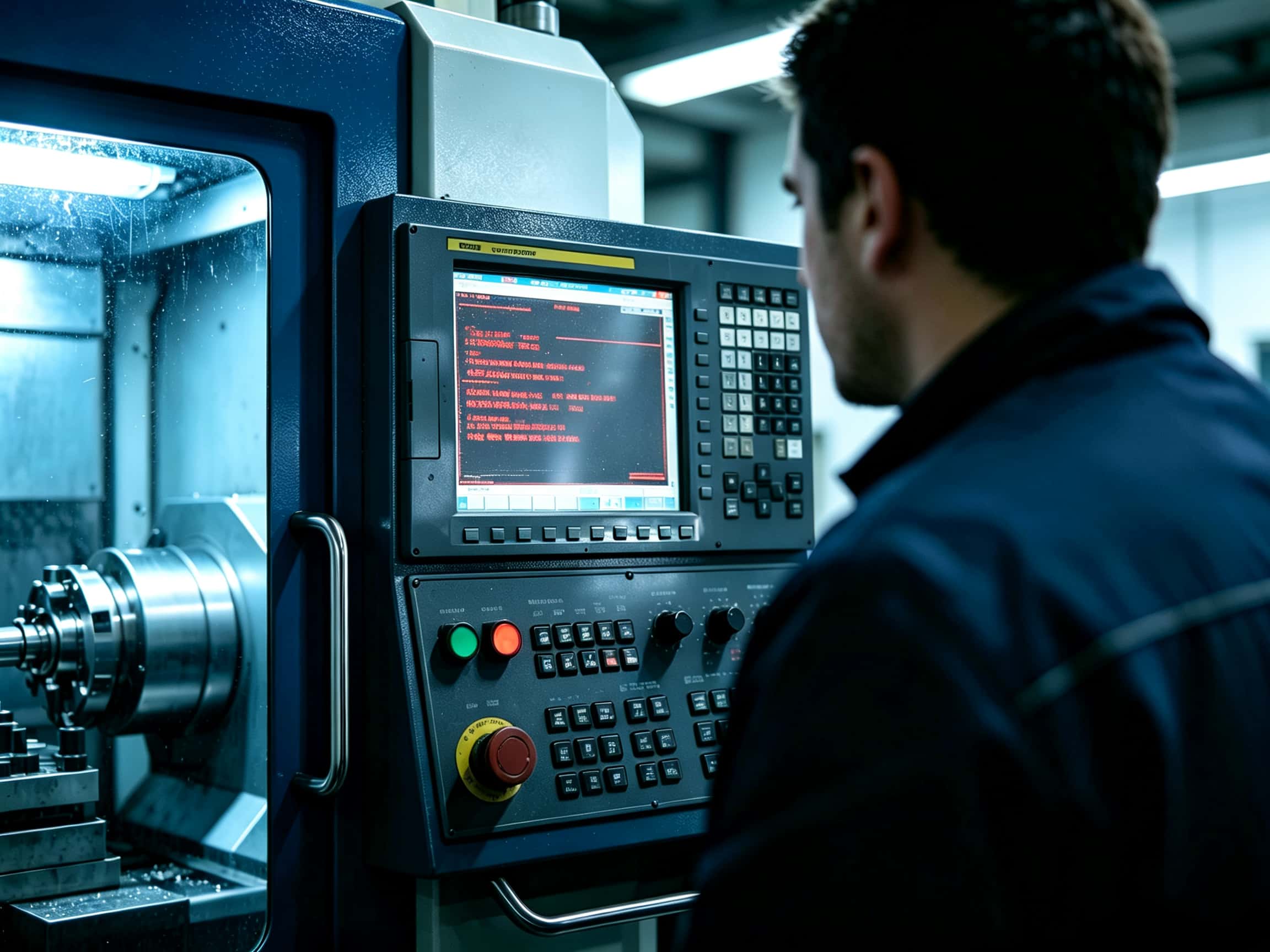
The job was 200 pieces of 6061 aluminum quick-release test fixtures for a battery testing client. Tolerance on concentricity was ±0.015mm — well within our normal capability on the 5-axis line.
The day shift ran the first 20 pieces with everything spot-on — concentricity at ±0.008mm. They handed the job to the night shift with one instruction: run the rest.
The night shift supervisor decided to save 30 minutes. He skipped the standard spindle warm-up routine. He loaded the first part, hit go, and it checked out fine.
For the first 40 pieces, everything was fine. The spindle slowly warmed up. By piece 60, the bearing temperature had risen 9°C. The tool had grown about 4 microns.
By piece 120, concentricity had drifted to 0.028mm — nearly double the tolerance.
Night shift only checked the first piece of the shift. Nobody caught the drift.
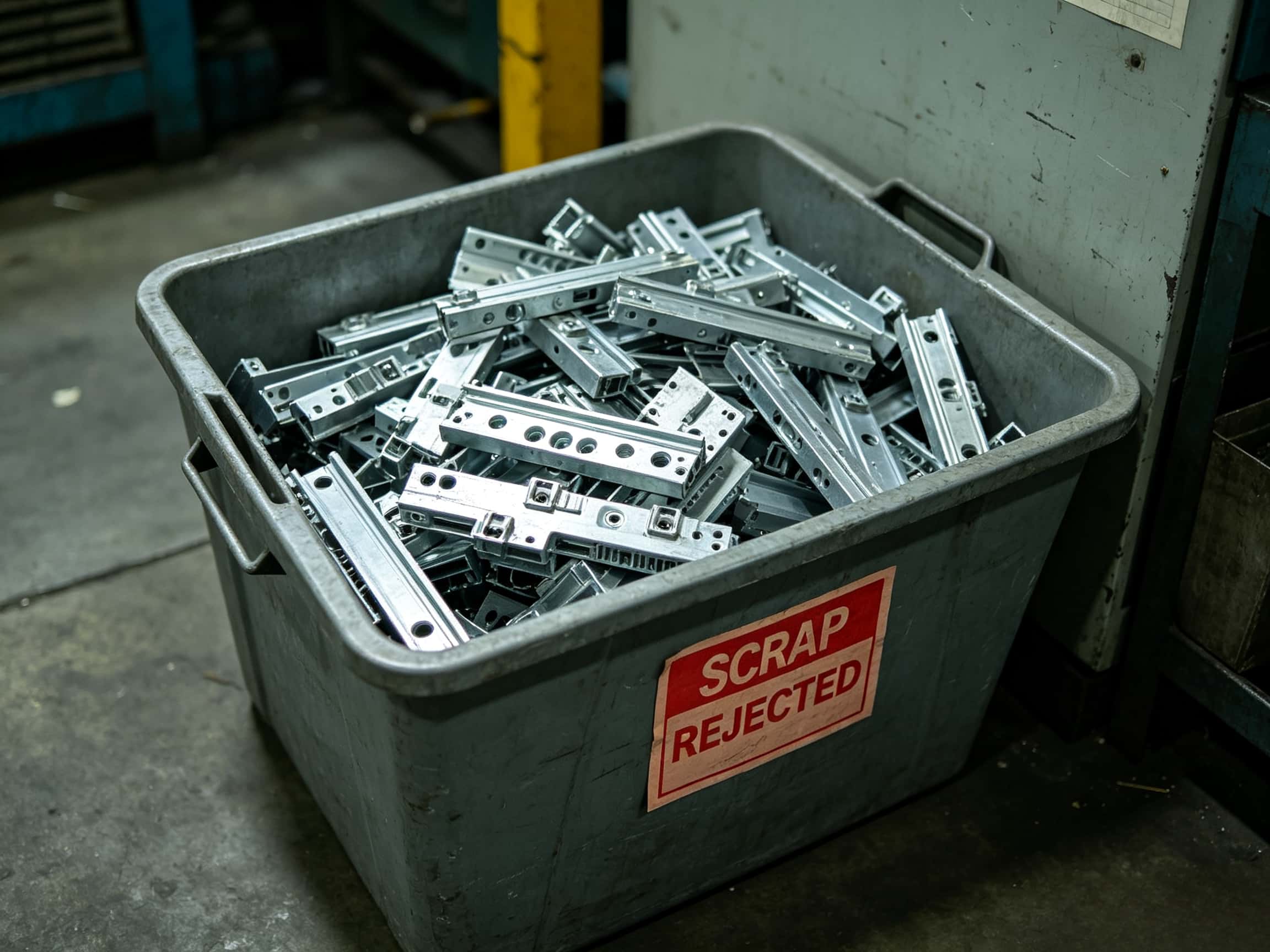
Next morning, we inspected the full batch. 147 out of 200 parts were out of spec.
We didn’t argue. We didn’t make excuses.
We called the client immediately, told them exactly what happened, and told them we would remake the entire batch at our cost and air-freight it to Germany to recover the lost time.
The cost breakdown:
· Material: about $2,800
· Labor & machine time: about $5,500
· Express air freight: about $3,800
· Client goodwill: not measurable, and at serious risk
The client stayed with us. Months later, they told us the immediate honesty — no excuses — was the reason.
We never wanted to go through that again.
We didn’t just blame the night shift supervisor. We built a system so the mistake couldn’t be made again.
2. Tight-Tolerance Jobs Run in Temperature-Controlled Bays
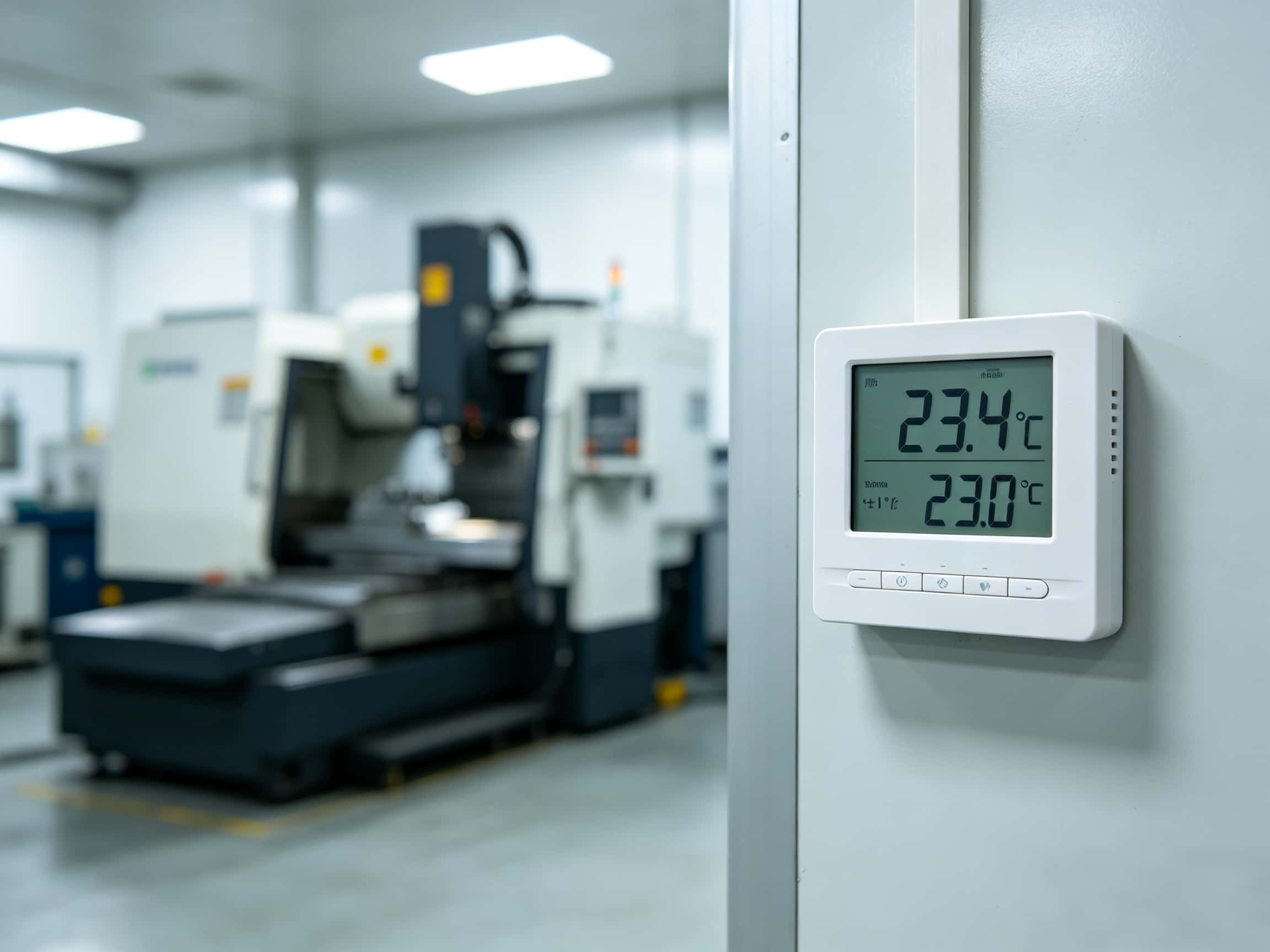
We built three enclosed temperature-controlled bays for all ±0.01mm work. Ambient temperature is held to ±1°C.
This eliminated cold-start drift and mid-day temperature swings.
3. In-Process Checks Every 20 Pieces
First article only tells you the first piece is good. Now, for every production run, the machine probes critical dimensions automatically every 20 pieces.
If it detects drift beyond 30% of tolerance, it stops and calls the operator.
4. Night Shift Now Has the Same Oversight
We used to treat night shift more casually. That stopped. Night shift now has the same inspection requirements, a dedicated QC technician,
and zero tolerance for skipping procedures.
Since those changes, we’ve run over 120,000 similar precision fixtures. Our overall scrap rate for tight-tolerance production work sits at 0.47%.
We still have occasional issues. No shop is perfect. But we haven’t had a full-batch thermal drift failure since 2018.
The lesson isn’t “don’t make mistakes.” The lesson is: the best quality systems aren’t built on perfect operators.
They’re built on assuming that people will cut corners — and making it impossible for them to cause damage.
When you’re evaluating suppliers, don’t trust the ones that say “we never have quality issues.” They’re either lying, or they haven’t been around long enough to have a bad failure.
The good shops are the ones that have messed up badly, paid for it, and built systems so it doesn’t happen again.

If you’re tired of first-article perfection and production-batch inconsistency, we’ve been there too. We fixed it.
Have a high-volume precision project? Send us your drawings. We’ll walk you through our process, tell you about the mistakes we’ve made,
and show you exactly how we’ll make sure your batch comes out right — every single piece.
Teléfono : 0755-23596843
WhatsApp : +86-13267211181
Correo electrónico : sales02@gt-proto.com
No.18, Shaqi Community Center Road, Xinqiao Street, Baoan District, Shenzhen, Guangdong Province, China 518104
Links :
test© 2026 Shenzhen GT prototipo Co., Ltd. Reservados todos los derechos.
mapa del sitioPolítica de privacidadXml